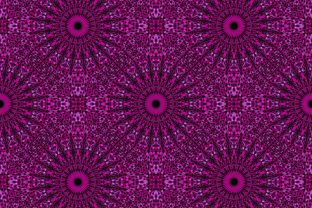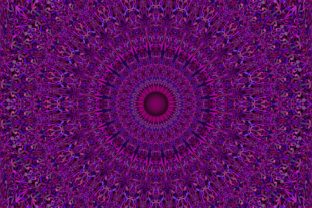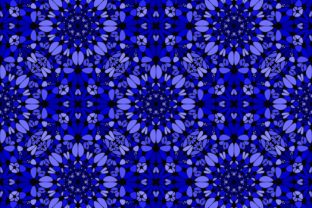
Dark Blue Seamless Floral Mandala Pattern: Integrating High-Resolution Vector Assets into Professional Workflows
In professional design and digital content creation, the selection of background assets is rarely a purely aesthetic decision. It is a functional choice that impacts file management, production speed, and brand consistency. The Dark Blue Seamless Floral Mandala Pattern represents a specific category of high-utility visual resources that bridge the gap between spiritual symbolism and modern geometric precision. For creators, marketers, and entrepreneurs, understanding how to leverage this specific type of asset—available in JPG 5000x5000, vector EPS, and vector AI formats—is essential for maintaining efficient workflows across both print and digital mediums.
This asset is not merely a decorative element; it is a foundational layer in a broader design system. The deep blue colorway offers high contrast for typography, while the seamless tiling capability ensures scalability without visible artifacts. Whether you are designing packaging, creating meditation app interfaces, or branding a wellness retreat, integrating this pattern requires a process-oriented approach to maximize its technical and visual potential.
Technical Specifications and Format Selection
Before implementing the Dark Blue Seamless Floral Mandala Pattern into any project, it is necessary to understand the distinct advantages of each provided file format. Choosing the wrong format at the start of a project can lead to significant rework later. The availability of three distinct formats allows for flexibility across different stages of production.
- JPG 5000x5000: This raster format is optimized for immediate use in digital layouts, web backgrounds, and quick mockups. At 5000 pixels square, it provides sufficient resolution for most screen-based applications and standard commercial printing up to approximately 16 inches at 300 DPI. Use this format when speed is prioritized over editability, or when working in software that does not support native vector files.
- Vector EPS: Encapsulated PostScript is the industry standard for cross-platform compatibility. This format is ideal for sending designs to third-party printers, sign makers, or collaborators using older versions of design software. It retains mathematical precision for scaling but may lack some advanced transparency effects found in native AI files.
- Vector AI: The Adobe Illustrator source file offers maximum editability. This is the master asset. Within this format, you can adjust the hue of the dark blue to match specific brand Pantone colors, modify the stroke weight of the floral petals, or isolate individual mandala elements for use as standalone icons. Always archive this version as your primary source of truth.
Effective asset management begins with organizing these files correctly upon acquisition. Store the AI and EPS files in a dedicated "Master Assets" folder within your project directory, linking them rather than embedding them when possible to keep working file sizes manageable. Keep the high-resolution JPG in an "Exports" or "Web Ready" subfolder to prevent accidental usage of the heavy raster file in vector-based layouts.
Pre-Project Planning and Brand Alignment
The integration of a Dark Blue Seamless Floral Mandala Pattern should occur during the planning phase of a creative project, not as an afterthought. This pattern carries specific semantic weight; it communicates tranquility, depth, tradition, and complexity. Before applying it, evaluate whether these attributes align with the project’s communication goals.
For entrepreneurs and small business owners in the wellness, yoga, or holistic health sectors, this pattern serves as an immediate visual shorthand for mindfulness. However, for corporate or tech-focused brands, the application requires more nuance. In these contexts, the geometric aspects of the pattern should be emphasized over the organic floral elements to maintain a sense of structure and professionalism. During the mood boarding phase, test the pattern at various opacities. A 100% opacity dark blue background creates a bold, immersive statement suitable for book covers or event backdrops, while a 15% opacity overlay adds texture to white papers and reports without compromising readability.
Consider the color psychology of dark blue in relation to your target audience. Unlike lighter blues which suggest airiness, dark blue implies authority, stability, and introspection. When planning your color palette, ensure you have established accessible contrast ratios against this background. If white text is planned, verify that the intricate details of the mandala do not interfere with legibility. This pre-flight check prevents accessibility issues and costly revisions during the proofing stage.
Execution Strategies Across Digital and Print Media
During the active production phase, the seamless nature of this pattern becomes its most valuable technical attribute. Seamlessness allows for infinite tiling, which is critical for responsive web design and large-format printing where canvas dimensions are variable.
Digital Implementation
When using the Dark Blue Seamless Floral Mandala Pattern for websites or apps, avoid serving the full 5000x5000 JPG unless absolutely necessary. Instead, crop a representative section (e.g., 800x800px) that still tiles perfectly. This reduces page load times significantly while maintaining visual fidelity on standard displays. For CSS implementation, utilize the background-repeat: repeat; property to create an endless field. In video production or motion graphics, the vector AI file allows animators to separate layers, enabling subtle parallax effects where the floral petals rotate independently of the geometric base, adding depth to static backgrounds.
Print Production Workflow
For physical products like textiles, wallpaper, or packaging, the vector formats are mandatory. Rasterizing a mandala pattern for large-scale print often results in jagged edges on curved lines. By keeping the asset in vector form, the printer’s RIP software can render curves at the exact resolution of the output device. When preparing files for textile printing, pay attention to the scale of the repeat. A mandala that looks appropriately sized on a 27-inch monitor may appear microscopic or overwhelmingly large on fabric. Create a physical test swatch at actual size to validate the scale before committing to a full production run.
Furthermore, consider the interaction between the pattern and finishing techniques. The intricate lines of a geometrical seamless blue petal pattern are excellent candidates for spot UV coating or foil stamping. The contrast between a matte dark blue ink and a glossy UV varnish applied only to the mandala lines creates a premium tactile experience. This level of detail must be planned in the prepress stage by creating separate spot color channels in the AI file.
Post-Production Optimization and Asset Longevity
After a project is completed, the workflow regarding this asset shifts to optimization and archiving. High-quality vector assets are long-term investments. To ensure the Dark Blue Seamless Floral Mandala Pattern remains useful for future initiatives, document any modifications made during the current project.
If you adjusted the color balance to fit a specific seasonal campaign, save that variation as a new linked library item rather than overwriting the master file. This practice builds a proprietary library of derivative assets that speeds up future workflows. For freelancers and agencies, maintaining a clean lineage of assets protects against licensing confusion and ensures that clients receive organized, editable source files.
Quality control also extends to monitoring how the pattern performs over time. In digital environments, trends shift toward flatter or more textured aesthetics. Because this asset is available in vector format, it is future-proof. You can easily add grain, noise, or gradient overlays to the base vector to update its look without sourcing a new background. This adaptability makes it a sustainable choice for brands that need to evolve visually without losing their core identity.
Integration with Broader Creative Systems
The true value of this resource emerges when it interacts with other tools and decisions in your ecosystem. It is not an isolated graphic; it is a component of a larger system.
- Typography Pairing: The complexity of the mandala demands simple, clean typography. Sans-serif fonts with generous tracking work best to balance the ornate background. Avoid highly decorative display fonts that compete with the pattern’s intricacy.
- Photography Integration: When placing photography over this pattern, use blending modes like Multiply or Overlay to allow the mandala texture to show through shadow areas. This unifies composite images and prevents the background from feeling disconnected from foreground elements.
- Marketing Collateral Consistency: Use the pattern as a recurring motif across disparate touchpoints. A consistent background element ties together social media graphics, email newsletters, and physical brochures, reinforcing brand recognition through visual repetition.
- Educational Materials: For educators and trainers, the structured geometry of the pattern can serve as a visual organizer. Different sections of the mandala can be highlighted or colored differently to represent modules or learning paths, turning a decorative background into a functional diagrammatic tool.
Ultimately, successful integration relies on treating the Dark Blue Seamless Floral Mandala Pattern as a versatile production asset rather than just a pretty picture. By respecting the technical specifications, planning for accessibility and contrast, executing with format-appropriate methods, and maintaining organized archives, professionals can extract maximum value from this resource. The result is a workflow that is not only aesthetically pleasing but also operationally sound, scalable, and aligned with professional standards of quality and efficiency.