Mastering Symmetrical Design: A Guide to Using Red Floral and Abstract Mandala Backgrounds
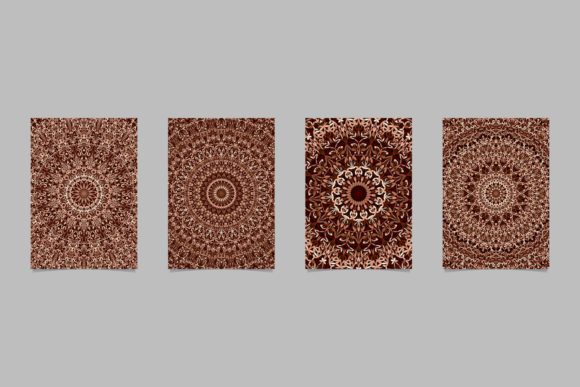
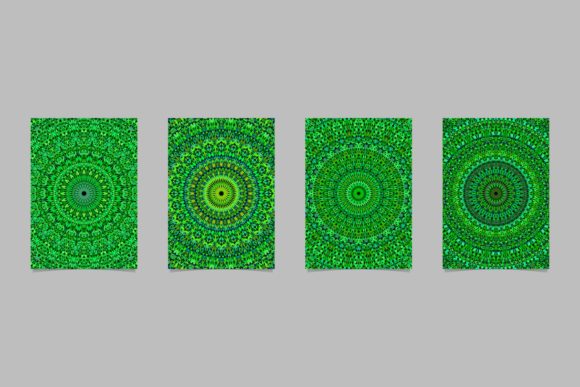
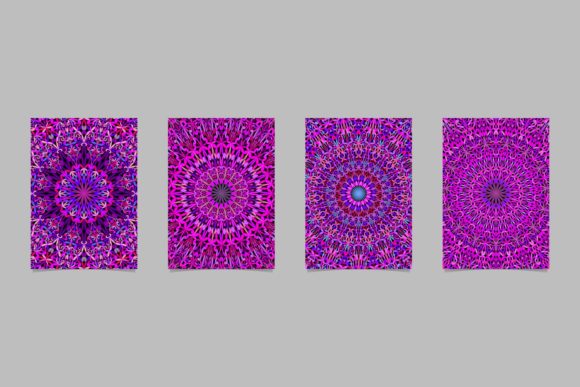
In the expansive world of digital design and visual communication, few elements possess the universal appeal and structural perfection of the mandala. Whether you are a seasoned graphic designer, an educator creating engaging classroom materials, or a business owner looking to elevate your stationery, understanding the utility of high-resolution symmetrical patterns is essential. Specifically, resources featuring 4 Red Floral Mandala Page Backgrounds alongside colorful abstract flower garden mandala pattern poster backgrounds represent a unique intersection of tradition and modern vector technology. These assets, often available in massive JPG 12000x4000 resolutions and scalable EPS formats, are not merely decorative images; they are foundational tools for creating balance, focus, and aesthetic harmony in visual projects.
To fully leverage these design sets, one must move beyond viewing them as simple clip art. Instead, it is helpful to understand their origins, their psychological impact, and the technical specifications that make them indispensable for professional-grade output. This guide explores the significance of symmetrical vector stationery templates and how to integrate them effectively into contemporary workflows.
The Significance of Symmetry in Visual Communication
At its core, a mandala is a geometric configuration of symbols. In various spiritual traditions, it represents the universe, wholeness, and infinity. However, in the context of modern graphic design and stationery, the mandala serves a highly functional purpose: visual anchoring. Human beings are biologically wired to appreciate symmetry. When we encounter a balanced, radial design like a red floral mandala, our brains process it quickly and associate it with order and stability.
This is particularly relevant when designing page backgrounds or posters. A chaotic or unbalanced background can distract from the main content, making text difficult to read or causing visual fatigue. Conversely, a symmetrical vector template provides a structured container for information. The "flower garden" aspect of these patterns adds an organic softness to the rigid geometry, creating a design that feels both professional and welcoming. This duality is why such patterns are staples in industries ranging from wellness and education to luxury packaging and event planning.
Understanding Technical Specifications: JPG vs. EPS
One common misunderstanding among beginners is assuming all digital backgrounds function identically. When evaluating a design set described as JPG 12000x4000 - vector EPS, it is crucial to distinguish between the two file types included.
- The High-Resolution JPG (12000x4000): This raster image is exceptionally large. At standard print resolution (300 DPI), this file size allows for printing banners or posters several feet wide without pixelation. It is ideal for final outputs where editing is not required, such as web headers, digital presentations, or direct-to-print posters.
- The Vector EPS: Encapsulated PostScript files are mathematical representations of lines and curves. Unlike JPGs, vectors have no fixed resolution. You can scale an EPS mandala to the size of a billboard or shrink it to a postage stamp with zero loss of quality. Furthermore, because the layers are preserved, designers can change the "red floral" hue to match specific brand colors or isolate individual petals for custom compositions.
For those new to design software, the JPG offers immediate usability. For professionals, the EPS ensures future-proof versatility. Understanding this distinction prevents frustration when trying to resize images or adjust color palettes for client work.
Practical Applications in Modern Workflows
The versatility of colorful abstract flower garden mandalas extends far beyond traditional art prints. In today’s digital-first environment, these symmetrical vector stationery template designs solve specific problems across multiple sectors.
Educational Materials and Mindfulness
Educators and therapists frequently utilize mandala patterns to aid concentration and reduce anxiety. The repetitive, predictable nature of a symmetrical floral design helps ground students or patients. In a classroom setting, using a red floral mandala as a worksheet border or a certificate background transforms mundane paperwork into something special. It signals to the learner that the material is curated and valuable. Additionally, coloring pages derived from these vector outlines are standard tools in art therapy, promoting fine motor skills and emotional regulation.
Branding and Corporate Stationery
While mandalas are often associated with bohemian or spiritual aesthetics, they have found a firm place in corporate identity. A subtle, low-opacity abstract flower garden pattern can serve as a sophisticated watermark on letterheads, invoices, and business cards. The key here is restraint. By utilizing the vector EPS file, a designer can reduce the opacity to 10% or change the vibrant reds to muted corporate blues, ensuring the background enhances readability rather than competing with it. This application demonstrates how traditional motifs can be adapted for modern business professionalism.
Digital Content and Social Media
In the realm of social media, stopping the scroll is paramount. The 12000x4000 dimension is particularly advantageous here. Designers can crop multiple square Instagram posts or vertical Stories from a single panoramic file, ensuring visual consistency across a campaign. The intricate details of a high-quality mandala stand out against the flat, minimalist trends that dominate feeds, offering a rich texture that invites closer inspection.
Navigating Color Theory and Composition
When working with Red Floral Mandala Page Backgrounds, color management is critical. Red is a high-energy color associated with passion, urgency, and warmth. However, it can also be aggressive if overused. To use these backgrounds effectively, consider the following principles:
- Contrast for Readability: If the mandala is dense and saturated red, avoid placing black text directly over it. Use white text with a drop shadow, or place the text within a solid-colored shape layered on top of the mandala. Alternatively, use the EPS file to lighten the central area of the design, creating a natural "safe zone" for typography.
- Cultural Context: Be mindful of cultural associations. In some cultures, red florals signify celebration and prosperity; in others, they may carry different connotations. Understanding your audience ensures the design communicates the intended message.
- Balancing Complexity: Abstract flower garden patterns can be visually busy. If your content is text-heavy, opt for a mandala with more negative space. If the content is minimal (like a quote card), a denser, more colorful pattern can provide the necessary visual weight.
Common Misunderstandings About Mandala Assets
Despite their popularity, there are misconceptions that can hinder effective use. One prevalent assumption is that all mandala designs are public domain or free to use commercially. This is rarely true for high-quality, professionally crafted vector sets. Always verify the licensing agreement. A premium set offering 4 distinct variations and editable EPS files is typically a licensed product intended for commercial or personal use under specific terms.
Another misconception is that symmetry equals simplicity. Beginners often assume that because a mandala looks balanced, it is easy to recreate or modify. In reality, true radial symmetry requires precise mathematical alignment. Attempting to draw these from scratch without proper grid tools can result in lopsided, unprofessional outcomes. Utilizing pre-made vector templates allows creators to bypass the steep learning curve of geometric construction while still achieving bespoke results through customization.
Building a Broader Design Literacy
Ultimately, integrating resources like symmetrical vector stationery template designs into your toolkit is about more than just making things look pretty. It is an exercise in understanding visual hierarchy, cultural symbolism, and technical precision. Whether you are printing a physical poster at 12000x4000 resolution or designing a digital invitation, the mandala teaches us that structure and beauty are not mutually exclusive.
By appreciating the difference between raster and vector formats, respecting the psychological power of symmetry, and applying thoughtful color theory, general readers and designers alike can transform generic backgrounds into meaningful visual experiences. These floral and abstract patterns act as bridges—connecting ancient artistic traditions with cutting-edge digital capabilities, and linking the creator’s intent with the viewer’s perception. As you explore these design sets, remember that the most successful applications are those where the pattern supports the purpose, enhancing the message through the timeless language of balanced form.