Evaluating the Botanical Floral Arc for Design Projects
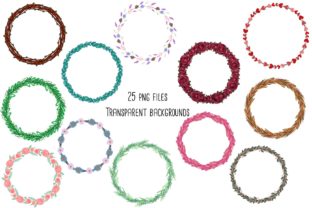
Selecting the right visual assets is a critical step in graphic design, event branding, and digital content creation. Among the myriad of decorative elements available, the Botanical Floral Arc has emerged as a versatile staple for designers seeking organic elegance without the logistical constraints of physical flora. When evaluating this asset, particularly in digital formats like .ai, .eps, .png, and .jpg, it is essential to understand its functional applications, technical specifications, and suitability for specific project goals. This evaluation focuses on helping creators determine whether a pre-designed botanical wreath with transparent backgrounds aligns with their current workflow and aesthetic requirements.
Defining the Digital Botanical Floral Arc
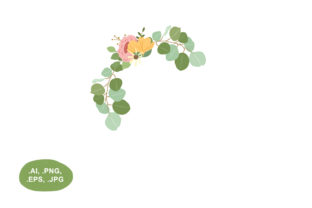
A Botanical Floral Arc is a semi-circular or curved arrangement of plant-based elements, including leaves, vines, buds, and blooms, designed to frame content or serve as a standalone decorative motif. Unlike full circular wreaths, the arc offers an open composition that directs the viewer’s eye toward a focal point, such as text, a product image, or a venue entrance. In the context of digital assets, these are not photographs but vector-based illustrations or high-resolution raster graphics optimized for manipulation.
The availability of multiple file types defines the utility of this asset. The .ai and .eps files represent vector data, allowing for infinite scaling and color editing without quality loss. Conversely, the .png files provide immediate usability with transparent backgrounds, facilitating easy layering over existing designs. The .jpg versions typically serve as previews or low-fidelity placeholders. Understanding this distinction is vital for professionals who need to assess whether the asset can withstand the technical demands of large-format printing or responsive web design.
Strategic Reasons for Selection
Designers and planners typically gravitate toward a Botanical Floral Arc when balancing aesthetic warmth with production efficiency. Several practical factors drive this interest:
- Visual Framing Without Obstruction: Unlike rectangular borders or dense patterns, an arc provides structure while maintaining negative space. This makes it ideal for wedding invitations, certificate borders, and website headers where readability is paramount.
- Seasonal Versatility: Botanical illustrations often transcend specific seasons. While fresh flowers dictate a timeline, a digital arc featuring eucalyptus, ferns, or wildflowers can be recolored via vector editing to match spring pastels or autumn earth tones, extending the asset's lifecycle across multiple campaigns.
- Consistency Across Media: For projects requiring cohesive branding across print and digital channels, having both vector (.ai/.eps) and raster (.png) sources ensures the floral motif looks identical on a business card and a billboard. Physical arrangements cannot guarantee this level of uniformity.
- Transparent Background Utility: Ready-to-use PNGs with transparency eliminate the need for time-consuming masking or background removal. This feature significantly reduces pre-press preparation time for non-specialists.
Benefits and Practical Tradeoffs
While digital botanical assets offer significant advantages, an objective evaluation requires acknowledging their limitations alongside their benefits.
Key Benefits
The primary advantage is scalability. Vector-based arcs retain crisp edges at any size, making them suitable for everything from social media icons to venue signage. Additionally, the editability of .ai and .eps files allows designers to isolate individual leaves or flowers, rearranging them to create custom variations from a single source file. Cost-effectiveness is another factor; a one-time acquisition fee replaces the recurring expense of hiring florists or purchasing stock photography subscriptions for similar imagery.
Considerations and Tradeoffs
However, users must consider the learning curve. Maximizing the value of .ai and .eps files requires proficiency in Adobe Illustrator or compatible vector software. Users lacking these skills may be limited to the static .png versions, reducing customization potential. Furthermore, there is the risk of generic aesthetics. Because digital botanical assets are widely available, there is a possibility of visual overlap with other brands. Mitigating this requires deliberate color grading and compositional adjustments to ensure uniqueness. Finally, digital arcs lack the tactile texture and depth of field found in macro photography, which may be a drawback for projects prioritizing hyper-realism over illustrative charm.
Situational Fit: When to Choose a Botanical Arc
Determining whether a Botanical Floral Arc is the correct solution depends heavily on the project context. It is generally a strong fit in the following scenarios:
- Typography-Centric Designs: When the hierarchy relies on elegant serif or script fonts, the organic curves of a botanical arc complement letterforms better than geometric shapes.
- High-Volume Production: For template-based businesses (e.g., Etsy sellers, print-on-demand services), the ability to swap colors and resize instantly supports rapid inventory expansion.
- Budget-Constrained Events: When real florals exceed the budget, high-quality digital arcs printed on acrylic, foam board, or vinyl can simulate luxury greenery at a fraction of the cost.
- Web and UI Design: Lightweight SVG exports (derived from the .ai source) or optimized PNGs add visual interest to landing pages without significantly impacting load times, provided they are properly compressed.
When Alternatives Are Preferable
Despite their versatility, Botanical Floral Arcs are not universally applicable. Evaluators should consider alternatives in these instances:
- Photorealistic Requirements: If the brief demands authentic texture, water droplets, or natural imperfections, 3D renders or high-resolution photography are superior choices. Vector art inherently possesses a stylized quality that may clash with realistic product photography.
- Complex Narrative Illustrations: An arc is a decorative border element, not a storytelling device. Projects requiring detailed scenes or character interactions should look toward bespoke illustration rather than modular floral assets.
- Strict Minimalist Branding: Brands adhering to Swiss Style or brutalist aesthetics may find organic curves discordant. Geometric grids or solid color blocks often align better with rigid typographic systems.
- Licensing Restrictions: If the intended use involves trademarking or exclusive rights, standard commercial licenses for digital assets may be insufficient. Custom-commissioned artwork avoids potential IP conflicts associated with widely distributed digital resources.
Decision-Making Insights for Buyers
For those currently comparing options, the decision should hinge on technical compatibility and long-term utility. Before acquiring a Botanical Floral Arc package, verify the following:
- Vector Integrity: Open sample .ai or .eps files to ensure paths are clean and layers are organized. Poorly constructed vectors with excessive anchor points can be difficult to edit and may cause rendering issues in embroidery or laser cutting applications.
- Resolution Standards: Confirm that .png files are exported at 300 DPI for print readiness. Transparent backgrounds should be truly transparent, not white-filled masquerading as clear.
- Style Cohesion: Assess whether the botanical style matches your existing brand assets. A watercolor-style arc will look out of place next to flat-design icons, just as a line-art arc may feel too sparse beside rich oil-painting textures.
- License Scope: Read terms carefully regarding end-product limits, resale restrictions, and attribution requirements. Ensure the license covers all intended distribution channels, especially if selling templates or merchandise.
Ultimately, the Botanical Floral Arc serves as a bridge between traditional ornamentation and modern digital efficiency. Its value lies not merely in its appearance but in its adaptability across formats and mediums. By critically assessing technical specs, aesthetic alignment, and usage rights, designers can determine whether this asset class provides the necessary foundation for their creative objectives or if alternative solutions would yield better results. The presence of ready-to-use transparent PNGs lowers the barrier to entry, while editable vector files ensure professional longevity, making it a pragmatic choice for informed creatives.