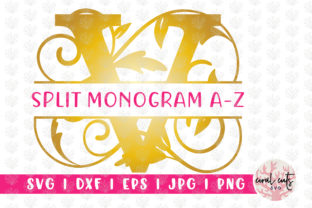
Evaluating the Decorative Floral Split Monogram A to Z Bundle for Professional Crafting
In the competitive landscape of personalized merchandise and custom design, having a reliable library of high-quality assets is as important as the equipment used to produce them. The Decorative Floral Split Monogram A to Z collection represents a specific category of digital design resources tailored for creators who require intricate, pre-structured lettering without the learning curve of drawing complex botanical elements from scratch. Unlike standard fonts that are installed on an operating system, this bundle functions as a comprehensive set of individual graphic assets. Understanding the distinction between installable typefaces and these cut-ready files is essential for professionals managing workflows across Cricut Design Space, Silhouette Studio, Adobe Illustrator, or CorelDraw.
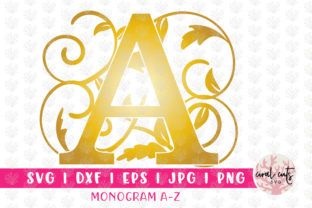
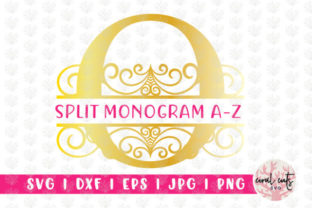
This asset pack provides a complete alphabet where each letter is designed with a split monogram structure, integrating floral ornamentation directly into the glyph. For small business owners, freelance designers, and serious hobbyists, the value lies not just in the aesthetic but in the technical versatility of the included file formats. With 26 variations of EPS, SVG, DXF, JPG, and PNG files, the bundle addresses multiple production needs simultaneously, from vinyl cutting to sublimation printing. However, maximizing the return on this resource requires understanding its specific applications, limitations, and best practices for integration into existing design ecosystems.
Technical Specifications and File Format Utility
The practical effectiveness of the Decorative Floral Split Monogram A to Z bundle depends heavily on selecting the correct file format for the intended output method. The inclusion of five distinct formats ensures compatibility across both vector-based editing software and raster-based printing applications, yet each serves a unique purpose in a professional workflow.
- SVG (Scalable Vector Graphics): This is the primary format for users of Cricut Design Space and Silhouette Designer Edition. Because SVGs retain path data, they allow for precise cutting without pixelation. For split monograms, this format is critical as it preserves the separate layers of the letter and the floral elements, enabling multi-color vinyl applications or layered cardstock projects.
- DXF (Drawing Exchange Format): Essential for users of the basic, free version of Silhouette Studio which does not support SVG imports. DXF files maintain vector lines for cutting machines but may sometimes require regrouping upon import. They serve as a vital fallback for crafters who have not upgraded to paid software tiers.
- EPS (Encapsulated PostScript): Designed for professional vector editing in Adobe Illustrator or CorelDraw. Unlike SVGs optimized for cutting, EPS files often contain more robust node data and color profiles suitable for commercial print production. This format allows designers to modify the anchor points of the floral elements or adjust the stroke weight before exporting for production.
- PNG (Portable Network Graphics): Provided with transparent backgrounds, these raster files are ideal for digital mockups, web graphics, or direct-to-film (DTF) transfers where vector manipulation is unnecessary. The transparency ensures clean placement over colored substrates without white box artifacts.
- JPEG (Joint Photographic Experts Group): These high-resolution 300 DPI files are optimized for printable projects and iron-on transfers. While they lack the scalability of vectors, their resolution is sufficient for most physical media applications where the final size remains within standard crafting dimensions.
Distinguishing Cut Files from Installable Fonts
A frequent point of confusion for new users acquiring the Decorative Floral Split Monogram A to Z collection is the expectation of font functionality. It is imperative to note that this product does not include .TTF or .OTF files. You cannot install these designs into your computer’s font folder to type text dynamically in Word or Photoshop. Instead, each letter exists as an independent image file.
This distinction significantly impacts workflow efficiency. For single-initial projects such as wedding napkins, leather patches, or personalized tumblers, this format is superior because the intricate floral details are already perfectly balanced with the letterform. However, for projects requiring full names or long phrases, users must manually arrange individual files. Professionals should evaluate their typical project scope; if the majority of work involves single-letter monograms, this bundle offers higher visual impact than standard script fonts. If the workload primarily consists of multi-word typography, this asset should be viewed as a complementary accent element rather than a primary text solution.
Practical Applications and Production Value
The "split" nature of these monograms defines their utility in physical manufacturing. In traditional embroidery or vinyl application, placing flowers over a solid letter can create adhesion issues or excessive bulk. The Decorative Floral Split Monogram A to Z solves this by designing negative space or interlocking layers specifically for material application.
For vinyl crafters, this design structure facilitates cleaner weeding and layering. The separation between the base letter and the decorative flora allows for contrasting colors without complex registration marks. In sublimation and DTF printing, the 300 DPI JPEG and PNG options provide ready-to-print solutions that eliminate the need for color separation or vectorization. Educators and event planners creating bulk personalized items will find the consistency across the A-Z set valuable; unlike hand-drawn letters that may vary in baseline or weight, this digital set maintains uniform sizing and style, ensuring a cohesive look across class sets or wedding party gifts.
Assessing Quality and Workflow Integration
When evaluating digital design assets, consistency is often more important than complexity. The strength of this bundle lies in its systematic approach to ornamentation. Each letter features floral elements that respect the counter spaces and terminals of the glyph, preventing the design from becoming illegible at smaller sizes. From a production standpoint, this legibility reduces waste caused by failed cuts or unclear prints.
However, users should be aware of potential limitations regarding customization. Because these are pre-rendered split designs, altering the fundamental shape of the letter requires vector editing skills using the EPS files. Those relying solely on JPG or PNG formats are locked into the provided color schemes and compositions. For maximum flexibility, professionals should prioritize the EPS and SVG versions, treating the raster files as quick-use alternatives rather than primary sources.
Furthermore, file management becomes a consideration with 130 total files. Organizing these assets by format and letter within a digital asset management system or clearly labeled folders prevents workflow friction. The sheer volume of files indicates thoroughness, but without organization, finding the specific DXF file for the letter 'M' can become tedious during high-pressure production runs.
Target Audience and Strategic Fit
The Decorative Floral Split Monogram A to Z bundle is not a universal solution for every designer, but it serves specific niches exceptionally well. Small business owners in the personalized gift sector will likely see the highest ROI, as the ornate style commands a premium price point compared to standard block lettering. Freelance designers working with clients who request "vintage," "botanical," or "romantic" aesthetics can use these assets to rapidly prototype concepts without licensing expensive illustration libraries.
Conversely, minimalist designers or those focused on corporate branding may find the decorative density unsuitable for their portfolios. Similarly, beginners who have never worked with layered cut files may face a learning curve regarding alignment and grouping in cutting software. The bundle assumes a baseline competency in handling multi-layer digital assets.
Ultimately, the decision to integrate this collection should be based on production volume and stylistic alignment. For creators whose business model relies on high-margin, single-initial personalization, the time saved in design and the professional finish of the split monogram structure justify the investment. By leveraging the appropriate file format for each specific machine and substrate, users can transform these digital assets into tangible products that stand out in a saturated market. The key to success lies in recognizing the tool's specific function: it is a specialized instrument for decorative monogramming, not a replacement for foundational typography.