The Embroidery Floral Style of Modern: Elevating Cotton Fabric Collections
When we talk about The Embroidery Floral Style of Modern, we are moving far beyond the stiff, traditional needlepoint of previous generations. Today’s interpretation is a dynamic fusion of artistic expression and textile engineering, specifically when applied to cotton fabric collections. This style represents a shift toward organic fluidity, where botanical motifs are rendered with contemporary color palettes, varied stitch densities, and intentional negative space. For designers, makers, and conscious consumers, understanding this aesthetic is less about memorizing history and more about recognizing how these textiles function in real-world environments.
Cotton serves as the ideal canvas for this modern evolution. Its natural fiber structure accepts embroidery threads with remarkable stability, allowing for high-definition detail without the synthetic sheen that can sometimes date a piece. Whether you are sourcing materials for a sustainable fashion line, curating home goods, or planning a bespoke interior project, the intersection of modern floral embroidery and cotton offers a versatile solution that balances durability with delicate artistry.
Redefining Botanical Aesthetics in Contemporary Textiles
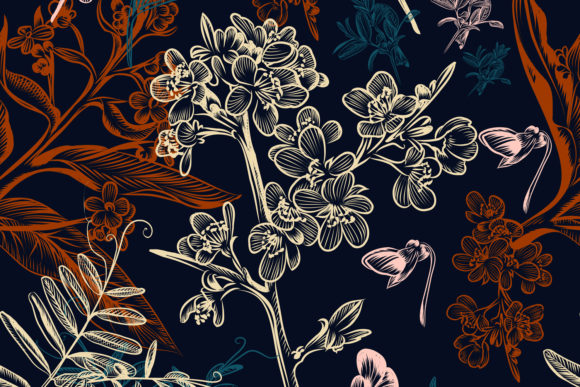
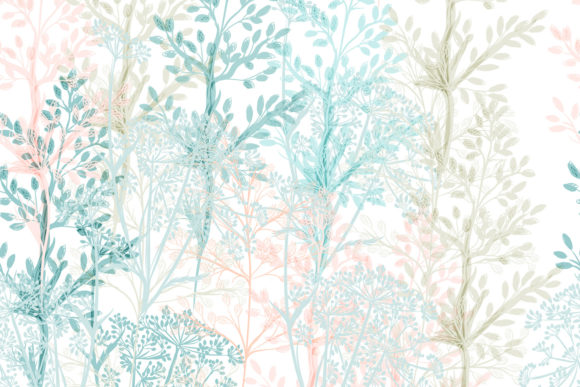
The defining characteristic of modern floral embroidery on cotton is its departure from rigid symmetry. While heritage styles often favored perfectly mirrored bouquets, current trends embrace asymmetry, scale variation, and abstract interpretations of nature. You might see a single, oversized peony spanning an entire bodice, or delicate, scattered wildflowers that mimic the randomness of a meadow rather than a formal garden.
This stylistic shift changes how the fabric behaves and feels. Modern techniques often utilize lighter stabilizers and finer cotton bases, resulting in a textile that retains its drape. The embroidery becomes part of the fabric's hand-feel rather than a heavy armor sitting on top of it. This is crucial for adult audiences seeking garments or decor that feel lived-in and comfortable, not costume-like or overly precious. The color stories have also evolved; instead of primary brights, modern collections frequently feature muted earth tones, tonal whites, or unexpected neon accents against natural cotton backgrounds, making them easier to integrate into existing wardrobes or interior schemes.
Fashion Applications: From Capsule Wardrobes to Statement Pieces
In the realm of apparel, The Embroidery Floral Style of Modern solves a specific problem for adults aged 20–50: the desire for personality without sacrificing versatility. Fast fashion often relies on printed florals that can look flat or wear poorly over time. Embroidered cotton offers tactile depth and longevity that prints cannot match.
- Elevated Casual Wear: A cotton poplin shirt with subtle, tone-on-tone floral embroidery bridges the gap between office-appropriate and weekend-ready. It adds visual interest to a capsule wardrobe without introducing a loud pattern that clashes with other staples.
- Sustainable Fashion Choices: For the eco-conscious consumer, embroidered cotton ages beautifully. Unlike screen prints that crack and fade, embroidery maintains its integrity through hundreds of wash cycles. This makes it a cornerstone for "buy less, buy better" mentalities.
- Bridal and Event Alternatives: Modern brides are increasingly rejecting heavy lace and tulle in favor of structured cotton with botanical embroidery. This provides a fresh, non-traditional look that photographs beautifully and remains comfortable during long events.
Designers utilizing this style should consider placement strategically. All-over embroidery can be overwhelming and expensive. Instead, focus on high-impact zones like cuffs, collars, yokes, or hemlines. This approach keeps the garment breathable and cost-effective while delivering maximum visual impact where the eye naturally rests.
Interior Design: Adding Texture to Minimalist Spaces
Home decor presents another significant arena for embroidered cotton florals. As interiors trend toward warm minimalism and biophilic design, textiles need to provide warmth without clutter. Embroidered cotton cushions, table linens, and wall hangings offer texture that solid fabrics lack and patterns that busy prints overwhelm.
Consider the practical reality of living spaces. Cotton is washable and durable, making embroidered florals viable for high-use items like dining napkins or throw pillow covers. The modern aesthetic ensures these pieces don't look like antique heirlooms that must be protected behind glass. A set of dinner napkins featuring loose, linear floral stitching in indigo thread on unbleached cotton can transform a weeknight meal into a curated experience. Similarly, bedding with embroidered borders provides a sensory element that enhances sleep hygiene through natural fibers while satisfying the aesthetic desire for beauty.
Practical Considerations for Sourcing and Selection
Selecting the right embroidered cotton collection requires looking past the surface design. Because embroidery adds structural complexity to fabric, there are functional limitations and strengths to evaluate before purchasing or specifying materials.
Understanding Fabric Weight and Stabilization
Not all cotton handles embroidery equally. When browsing collections, pay close attention to the base fabric weight relative to the stitch density.
- Lightweight Voile or Lawn: Best for delicate, sparse florals. If the embroidery is too dense on these fabrics, the material will pucker and lose its drape. Ideal for summer blouses and sheer curtains.
- Medium-Weight Poplin or Twill: The workhorse of modern floral embroidery. Supports moderate to heavy stitch counts without distortion. Perfect for shirting, dresses, and upholstery accents.
- Heavy Canvas or Denim: Can handle bold, large-scale modern florals. The stiffness of the base complements the weight of the thread. Excellent for bags, jackets, and structural home decor.
Always request swatches or sample yardage to test the "hand." Run your fingernail gently across the back of the embroidery. If the stabilizer feels scratchy or plastic-like, it may cause discomfort against skin or degrade quickly in the wash. High-quality modern collections use water-soluble or tear-away stabilizers that leave little to no residue, ensuring the cotton remains soft.
Care and Longevity Realities
While cotton is generally low-maintenance, embroidery introduces variables. Thread shrinkage rates differ from base fabric shrinkage. Pre-washing is non-negotiable for any project involving fitted garments or precise home textiles. Wash a test swatch using your intended method to check for puckering or color bleeding.
Modern floral embroidery often uses rayon or polyester threads for sheen and strength, even on 100% cotton bases. Be aware that these threads may react differently to heat. Ironing should always be done face-down on a padded surface to prevent crushing the stitches. For those in the hospitality or rental industry, verify that the embroidery can withstand industrial laundering if that is the intended use case. Some artisanal styles are strictly for dry-clean-only applications, which may limit their utility in high-turnover scenarios.
Navigating Market Options and Customization
The market for The Embroidery Floral Style of Modern on cotton is bifurcated between mass-produced yardage and artisanal/small-batch collections. Each serves different needs.
Mass-market options provide consistency and affordability, making them suitable for production runs or budget-conscious renovations. However, designs may be generic. Small-batch and independent designer collaborations offer unique, limited-edition florals that serve as true differentiators for brands or personal projects. These collections often experiment with mixed media, incorporating metallic threads, beads, or varying stitch lengths that machines cannot replicate at scale.
For businesses considering private label or custom development, communication is key. Provide clear tech packs that specify not just the floral motif, but the desired texture. Do you want a flat, matte finish or a raised, dimensional effect? Specify thread type (matte cotton vs. shiny viscose) and maximum hoop size constraints. Remember that larger continuous designs require multi-head machines and longer run times, impacting minimum order quantities and lead times.
Ultimately, integrating modern floral embroidery on cotton is about intentionality. It is a choice that signals appreciation for craft within a contemporary context. Whether used to soften a minimalist apartment, add value to a clothing line, or create a meaningful personal garment, this style offers a tangible connection to beauty that digital prints simply cannot provide. By understanding the technical interplay between thread and fiber, and by selecting designs that resonate with current lifestyles, users can leverage this textile tradition to create spaces and products that feel both timeless and distinctly now.