50 Floral Unique Pattern: A Practical Guide to Vector Assets for Print and Digital Design
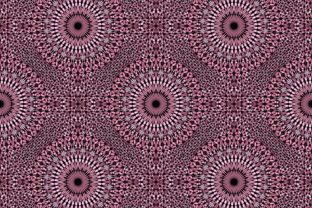
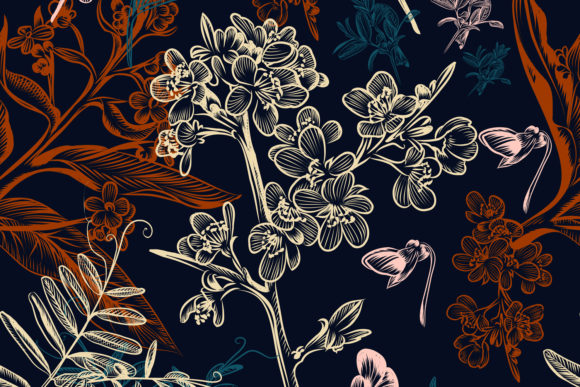
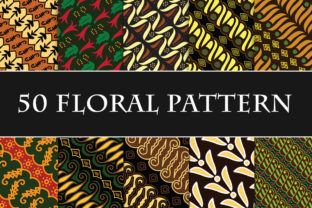
Accessing a curated collection of 50 Floral Unique Pattern designs offers immediate creative leverage for designers, crafters, and small business owners. These assets are not merely decorative backgrounds; they are foundational elements for product development and visual branding. When sourced correctly as vector files, this specific library—which includes both standard floral motifs and 50 Floral Pattern Batik Unique and exotic variations—provides the technical flexibility required for professional output. The ability to resize these graphics without pixelation or artifacting is what separates a hobbyist project from a commercially viable product. Whether you are designing wall background decoration, pillow bed covers, or packaging, understanding the technical and aesthetic nuances of these files prevents costly production errors.
The Critical Distinction Between Raster and Vector Formats
A frequent oversight when acquiring digital pattern libraries is assuming all files function identically across different media. While this collection includes JPEG previews for quick visualization, the true value lies in the EPS vector files. Many creators mistakenly attempt to scale JPEG versions for large-format printing, such as wallpaper or upholstery fabric. This inevitably results in blurry edges and visible pixel grids that degrade the perceived quality of the final product.
To avoid this, always verify that your design software is linking to the EPS source file rather than the raster preview. Vectors use mathematical paths rather than pixels, meaning the intricate details of the Batik Unique and exotic Pattern styles remain crisp whether printed on a 2-inch sticker or a 6-foot wall mural. If you are working with a print-on-demand service or a local textile manufacturer, confirm their preferred vector specifications before submitting your artwork. Providing a high-resolution JPEG instead of a vector file may be accepted by some automated systems, but it limits your ability to make last-minute size adjustments without re-rendering the entire design.
Evaluating Color Variations for Specific Applications
This collection provides three distinct colorways: black and white, blue tones, and colorful versions. A common misstep is selecting a color palette based solely on screen preference rather than end-use application. Screen colors (RGB) often appear more vibrant than printed colors (CMYK), leading to disappointment when physical samples arrive.
- Black and White Versions: These are ideal for minimalist branding, adult coloring books, or projects requiring custom spot colors. They offer the highest contrast and are generally the safest choice for single-color screen printing or laser engraving. However, ensure the line weight is sufficient for your chosen production method; extremely thin vector lines may not transfer well to certain fabrics.
- Blue Tones: Often associated with traditional ceramics, denim, or coastal aesthetics. These patterns work exceptionally well for home goods like pillow bed covers and table linens. Be mindful that "blue" can shift toward purple or green depending on the substrate. Always request a physical proof if matching existing blue inventory.
- Colorful Versions: Best suited for digital backgrounds, children’s products, or vibrant apparel. These require careful color management. Before committing to a full production run, test how the complex gradients and overlapping hues translate to your specific material, as ink absorption varies significantly between cotton, polyester, and paper.
Navigating Cultural Sensitivity in Batik Designs
The inclusion of 50 Floral Pattern Batik Unique and exotic Pattern designs adds significant aesthetic depth, but it also requires thoughtful application. Batik is a culturally rich textile tradition with specific regional meanings. Using these patterns purely as generic decoration without understanding their context can sometimes lead to branding that feels inauthentic or appropriative.
Rather than avoiding these beautiful designs, approach them with respect and accuracy. Use the vector files to create modern interpretations while acknowledging the style's origins in your product descriptions or marketing materials. This transparency builds trust with consumers who value cultural integrity. Additionally, because Batik patterns are inherently dense and detailed, they can become visually overwhelming at small scales. Test the pattern at the actual intended size before finalizing. What looks stunning as a wall background decoration may become illegible noise when shrunk down for a business card or mobile app icon.
Technical Checks Before Purchase or Download
Before integrating any 50 Floral Unique Pattern asset into a commercial workflow, perform a brief technical audit. This proactive step saves hours of troubleshooting later. Open the EPS file in your primary vector editing software (such as Adobe Illustrator, Affinity Designer, or CorelDRAW) to check for compatibility. Some older EPS files may contain deprecated effects or embedded rasters that prevent true editing.
Verify that the patterns are seamless. A non-seamless pattern creates visible grid lines when tiled across a large surface area like bedding or wallpaper. Zoom in to 400% and inspect the tile edges to ensure perfect alignment. Also, check the layer structure. Well-organized vector files separate background elements from foreground motifs, allowing you to easily recolor or isolate specific flowers. Flat, merged vectors limit customization and force you to recreate elements from scratch if you need to adjust the composition.
Maximizing Versatility Across Product Lines
The strength of owning a diverse set of 50 Floral Unique Pattern files is the ability to maintain brand consistency across disparate products. Entrepreneurs and freelancers often struggle to make a website header match a physical product label. Because these vectors are resolution-independent, you can use the exact same master file for both.
Consider creating a modular design system using these assets. Extract individual floral elements from the larger pattern to create standalone icons, borders, or watermarks. This extends the utility of the collection far beyond simple background tiling. For educators and bloggers, these extracted elements can enhance worksheets or social media templates without competing with body text. For makers selling on platforms like Etsy, using consistent floral motifs across your packaging, thank-you cards, and product photography props creates a cohesive unboxing experience that encourages repeat business.
Avoiding Licensing and Usage Pitfalls
Even when you possess the files, usage rights matter. Clarify whether the license permits commercial resale of derivative works versus personal use only. Some licenses restrict the number of units sold or require attribution. Misunderstanding these terms can result in platform takedowns or legal issues. Keep your license documentation organized alongside the asset files so you can quickly reference permissions when expanding into new markets or collaborating with other brands.
Furthermore, be cautious about trademarking logos derived directly from stock patterns. Since these 50 Floral Unique Pattern designs are available to multiple users, you cannot claim exclusive ownership of the base artwork. If you intend to build a trademarked brand identity, significantly modify the vector paths or combine multiple elements to create something distinctly yours. This protects your intellectual property while still benefiting from the professional foundation these assets provide.
Ensuring Long-Term Asset Value
Digital assets should be viewed as long-term investments. Organize your downloaded files logically immediately after acquisition. Create folders categorized by colorway, style (standard vs. Batik), and file format. Rename generic filenames like "pattern_01.eps" to descriptive names like "floral-batik-blue-vector.eps." This seemingly minor administrative task dramatically improves efficiency when you need to locate a specific asset months or years later.
Finally, stay updated on file standards. While EPS is currently the industry standard for vector exchange, newer formats like SVG or AI may offer better compatibility with web-based design tools or specific manufacturing equipment. Maintaining the original source files ensures you can export to future formats as technology evolves. By treating the 50 Floral Unique Pattern collection as a living resource rather than a disposable download, you secure ongoing value and creative freedom for every project you undertake.